AI Spots Anomalies in Hubble Images That Humans Missed
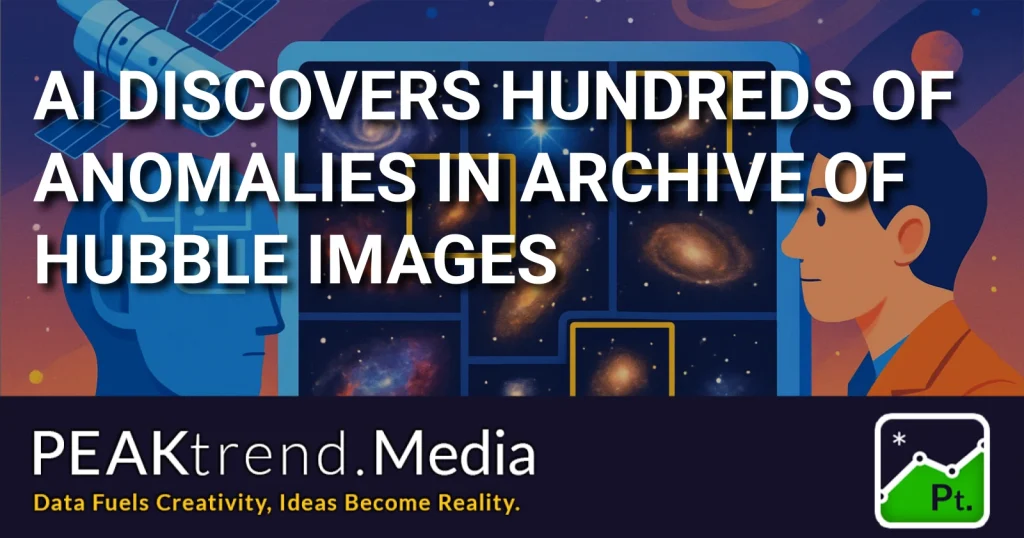
Artificial intelligence is proving to be a powerful tool in astronomy, capable of detecting anomalies in Hubble Space Telescope images that human eyes have overlooked. This advancement could lead to new discoveries and a better understanding of the universe.
Researchers have developed AI algorithms that analyze vast amounts of data from Hubble, identifying unusual patterns and objects that warrant further investigation. These anomalies might include rare cosmic events, previously unknown celestial bodies, or subtle changes in known phenomena.
The use of AI in this context not only accelerates the pace of discovery but also helps astronomers prioritize their observations and resources more effectively. As the volume of data from space telescopes continues to grow, AI will become an indispensable partner in exploring the cosmos.
Implications for Future Research
The integration of AI into astronomical research opens new avenues for exploration. By automating the detection of anomalies, scientists can focus on interpreting findings and developing theories. This synergy between human expertise and machine learning promises to deepen our understanding of the universe’s complexities.
Moreover, the techniques refined through analyzing Hubble data can be applied to other telescopes and observational platforms, enhancing the overall capability of space science.