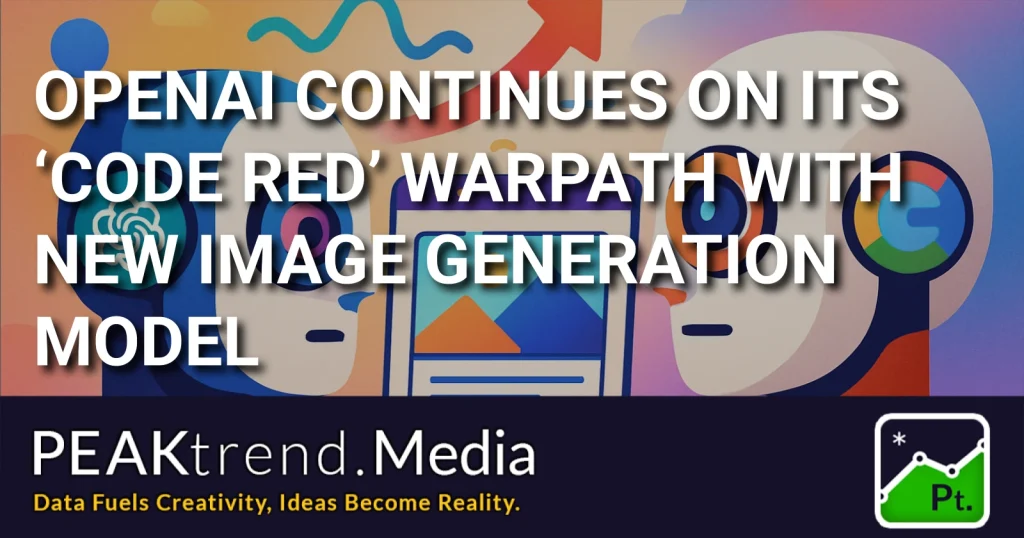
OpenAI Continues on Its Code Red Warpath With New Image Generation Model
OpenAI has announced the release of a new image generation model that promises to significantly enhance the quality and creativity of AI-generated images. This latest advancement is part of OpenAI’s ongoing commitment to pushing the boundaries of artificial intelligence and its applications in creative fields.
The new model leverages cutting-edge techniques to produce images that are not only more detailed but also more contextually relevant to the prompts provided by users. This improvement is expected to open up new possibilities for artists, designers, and content creators who rely on AI tools to augment their creative processes.
Key Features of the New Model
- Enhanced image resolution and clarity
- Improved understanding of complex prompts
- Greater diversity in generated image styles
- Faster generation times without compromising quality
OpenAI’s development team has focused on addressing previous limitations by incorporating feedback from the user community and conducting extensive testing to ensure the model’s robustness and reliability.
Implications for the Industry
This release is expected to intensify competition in the AI image generation space, prompting other companies to accelerate their own research and development efforts. It also raises important questions about the ethical use of AI-generated content and the need for clear guidelines to prevent misuse.
As AI continues to evolve, OpenAI’s new model represents a significant step forward in making advanced image generation accessible and practical for a wide range of applications.